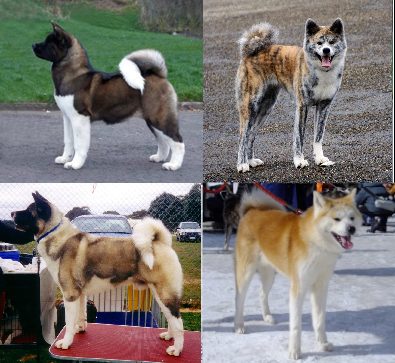
Which Mendelian variants matter most for Akitas?
The Mendelian-disease table above lists nine variants screened in 992 Akitas (Donner 2023). One matters decisively by carrier frequency. The rest are vanishingly rare in the breed.
Cone-Rod Dystrophy (cord1-PRA/crd4)
Cone-Rod Dystrophy in Akitas is an autosomal-recessive retinal degeneration with incomplete penetrance. The disease causes progressive vision loss beginning in the cone cells and progressing to rod photoreceptor death. Affected dogs become blind.
The cord1-PRA/crd4 variant is rare in Akitas at 0.10% carrier frequency (n=990). At that frequency, affected dogs are extraordinarily uncommon. Testing is available, though the low frequency makes it a secondary priority for most breeders.
How should I test my Akita?
For breeding stock, the high-yield test is SLC3A1 (cystinuria Type I-A). This single variant screens for the breed’s most common genetic disease. Cone-rod dystrophy testing is available through the same labs if breeders wish to run a broader panel, but the frequencies are low enough that carrier-to-carrier pairings happen rarely by chance alone.
What should I feed an Akita?
Feeding an Akita well means feeding around the breed’s singular genetic vulnerability: the 15.2% carrier frequency for cystinuria Type I-A. Akitas are large dogs with moderate exercise demands and a known predisposition to bladder stone formation in carriers.
Protein management is the cornerstone for Akitas carrying SLC3A1. Akitas that are homozygous-affected (two copies of the SLC3A1 variant) benefit from lower-protein formulations (around 15-18% crude protein) paired with urinary alkalinizers like potassium citrate or sodium bicarbonate. Carriers (one copy) and clear dogs (homozygous normal) do well on a standard large-breed adult formula with 18-25% crude protein. The NRC 2006 nutrient requirement for adult dogs is a minimum of 10.2% protein by dry weight; breeds with cystinuria risk function better at the higher end of that range, not the minimum.
Growth rate matters in Akita puppies. Akitas reach 100+ pounds at adulthood, which means the growth window is metabolically demanding. A large-breed puppy formulation with controlled calcium (0.8-1.2% by dry weight) and a calcium-to-phosphorus ratio between 1.1:1 and 2:1 protects the developing skeleton. This is especially important for carriers and affected individuals, as the stress of kidney-stone disease in an undertrained skeletal system compounds orthopedic stress.
Salt and hydration support stone prevention. Cystinuria is managed partly through increased urine volume, which reduces cystine crystallization in the bladder. Adequate sodium in the diet encourages drinking. Most commercial large-breed formulations meet this; the owner’s responsibility is ensuring constant access to fresh water and regular outdoor breaks for urination.
The breed does not show the dietary DCM signal flagged in the FDA 2018/2022 advisories for other large breeds. Grain-inclusive and grain-free formulations are roughly equivalent in safety profile for Akitas, so the choice can rest on the individual dog’s digestibility and coat condition rather than a breed-wide concern.
What we don’t know
The published Akita health literature is sparse. We do not have a breed-specific survey documenting the prevalence of symptomatic cystinuria stone formation or the epidemiology of other conditions. The atlas sits at 22 dogs, which is small enough that longevity outliers and sub-population structure cannot be reliably estimated. We do not know whether Akitas’ median lifespan of 11.4 years reflects general population survival or the specific cohort in the atlas.
Hip dysplasia has been reported anecdotally in the breed, but no breed-club or OFA-aggregated epidemiology is published. The honest summary is that we lack the data to estimate whether hip dysplasia is common, rare, or breed-typical by comparison to other large breeds.
Frequently asked questions about Akitas
What is the most common genetic disease in Akitas? Cystinuria Type I-A, caused by the SLC3A1 variant. 15.2% of Akitas carry one copy (Donner 2023, n=992). When two carriers are paired, each puppy has a one-in-four chance of being homozygous-affected. Carrier-by-carrier pairings are avoidable with pre-breeding DNA testing.
Should I do a DNA test on my Akita? For breeding stock, yes. Testing for SLC3A1 (cystinuria) is the high-yield screen and is widely available through commercial DNA labs.
How long do Akitas live? The atlas median is 11.4 years. Some breed-club surveys suggest slightly longer averages, though no peer-reviewed breed-specific lifespan study has been published for Akitas. Large-breed lifespan is variable, and individual dogs often exceed or fall short of these medians.
Are Akitas prone to hip dysplasia? Hip dysplasia is reported anecdotally in the breed, but no published epidemiology exists. Akita breeders are encouraged to have breeding stock hips evaluated by the OFA.
What is the best diet for an Akita? For carriers or affected cystinuria dogs, a lower-protein formula (15-18% crude protein) paired with urinary alkalinizers reduces stone risk. For clear dogs, a standard large-breed adult formula is appropriate. Ensure constant access to fresh water.
Can cystinuria in Akitas be managed without surgery? Yes, in many cases. Diet modification, increased hydration, and urinary alkalinizers manage carriers and some affected dogs. Surgical stone removal is necessary only if medical management fails or obstruction occurs.
Are Akitas good with children? Akitas are large, protective dogs bred historically for guarding. Early socialization and consistent training are essential. Supervision with small children is important given the breed’s size and strength.
What health issues should I watch for in an Akita? Monitor for signs of cystinuria (straining to urinate, blood in urine, abdominal pain) and seek veterinary evaluation if these appear. Hip and elbow screening in breeding stock is recommended. Regular ear cleaning helps prevent infections given the breed’s ear carriage.