snıff

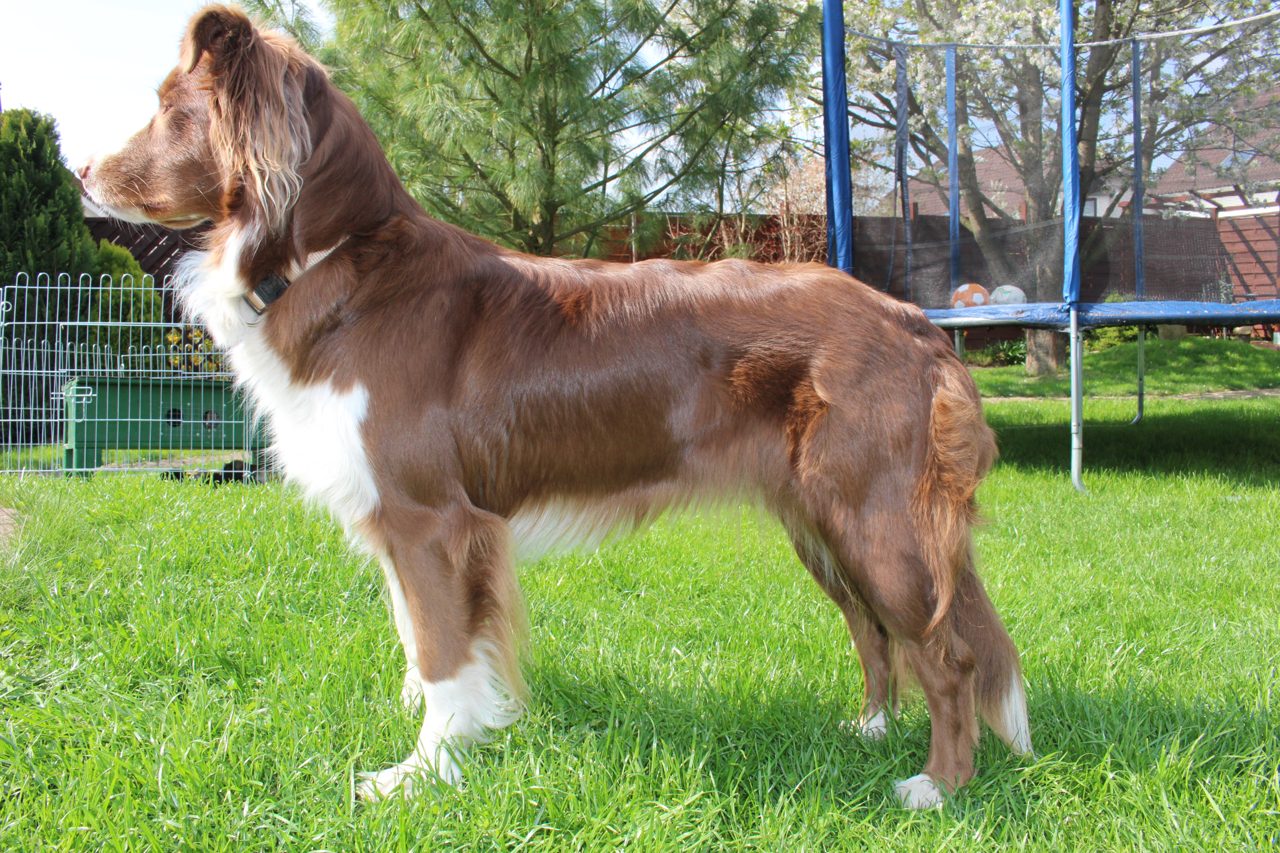
Australian Shepherd

The Australian Shepherd is a brilliant, high-drive working dog packed into a medium-sized, athletic frame. Bred for all-day stamina on the ranch, they are

What the atlas says about Australian Shepherd

In the atlas, the Australian Shepherd clusters consistently as Australian Shepherd (100% of the 31 dogs here). Genetic diversity is high (mean heterozygosity 0.3612), reflecting either a mixed-breed cluster or breeds with broad genetic backgrounds. At the trait loci, HMGA2 runs lower than average (18% here vs 56%); BMP3 runs higher than the atlas average (98% here vs 66%).

Ranks 94 of 107 on the bottleneck severity scale, in the upper quartile of genetic diversity. Mean heterozygosity is 0.361, notably high, indicates broad genetic background.

Closest genetic neighbors in the atlas: Cardigan Welsh Corgi, Border Collie, Pembroke Welsh Corgi, Old English Sheepdog, and Australian Cattle Dog.

Median lifespan is 13.7 years, about 1.9 years longer than a typical dog of 23.85 kg, an unusually positive longevity for this size.

Genetic dimensions · CanVAS atlas

What the genome says about Australian Shepherd

Computed from the 14,478 research dogs in the Atlas. Methods: technical methodology.

Dogs in the Atlas
31Founders
20 from Hayward2016, 10 from Spatola, 1 from JenkinsWGS
Genetic diversity
0.36Diverse
Mean heterozygosity across the breed. Ranks 94th most genetically tight of 107 ranked breeds.
Cluster structure
Splits into two genetic sub-populations
Intra-breed RMS distance: 24.82 · likely working/show-line, regional, or kennel lineage split.
Nearest genetic relatives
  1. Cardigan Welsh Corgi5.90
  2. Border Collie6.96
  3. Pembroke Welsh Corgi7.04
  4. Old English Sheepdog8.64
  5. Australian Cattle Dog8.70
Top-10 PC corrected Euclidean. Lower = closer.
Trait genetics
Allele frequencies at named morphology loci

Frequency of the alternate allele in this breed at each locus's representative SNP. Methods + caveats in technical methodology.

Body size
IGF158%
HMGA218%
SMAD261%
LCORL97%
STC293%
ADAMTS1730%
Leg length
FGF4·CFA1886%
FGF4·CFA1261%
Coat
RSPO246%
FGF594%
KRT7181%
MC1R87%
Ear set
MSRB377%
Skull shape
BMP398%
SMOC258%

Australian Shepherd Dog Food: What Owners Need to Know

The Australian Shepherd is a brilliant, high-drive working dog packed into a medium-sized, athletic frame. Bred for all-day stamina on the ranch, they are canine athletes with a keen intelligence and a deep desire to work alongside their people. Feeding an Aussie isn’t just about filling a bowl; it’s about fueling that incredible engine.

Here is the good news that most breed guides skip: the Australian Shepherd’s primary nutritional needs are straightforward and directly support the things owners love most about them. Their energy, their intelligence, and their athletic ability are all areas where the right food provides a clear and tangible advantage.

This guide gives you the tools to provide that advantage. Every recommendation is backed by published data, and every citation is linked so you can verify it yourself.

Last Verified: May 25, 2026 · 9 minute read · Methodology


TL;DR

Australian Shepherd owners who fuel their dog like the athlete they are provide the foundation for a long, active life.

These are high-output dogs that thrive on a nutrient-dense diet. A typical 50-pound Aussie requires around 1,350 kcal per day, reflecting their “very-high” activity classification in research studies NRC, 2006. This energy is best supplied by a high-protein food that builds and maintains the lean muscle needed to power their bodies and protect their joints.

While generally a robust breed, joint health is an important consideration. The Orthopedic Foundation for Animals (OFA) reports a hip dysplasia prevalence of 5.8% OFA. While that number is lower than many breeds, the most effective tool for keeping your Aussie sound is maintaining a lean body condition. Sniff recommends a high-protein, performance-style diet that provides ample energy and supports joint health, with careful portion control to keep them fit.


What makes feeding an Australian Shepherd different

The Australian Shepherd is a quintessential member of the Herding Group, a canine athlete bred to think and move. Their dietary needs are a direct reflection of this job description. Think of them as the marathon runners of the dog world; their metabolism is built for endurance and explosive bursts of activity.

Their nutritional profile is similar to other high-stamina herding breeds like the Border Collie and Australian Cattle Dog. A generic adult maintenance food often falls short, lacking the concentrated protein and energy they need. A typical 50-pound adult’s need for approximately 1,350 kcal/day means a nutrient-dense food is essential to provide those calories without feeding huge volumes NRC, 2006.

The health profile: what you can actually influence

While hardy, Australian Shepherds have a few documented health conditions where nutrition and management offer a real opportunity to support their well-being.

Joint Health: A Foundation for Activity

Like many active breeds, Aussies can be prone to developmental orthopedic conditions. The OFA database shows a hip dysplasia rate of 5.8% across 52,060 evaluations OFA and an elbow dysplasia rate of 3.3% in over 26,000 evaluations OFA.

These numbers are relatively low, but for an athlete like the Aussie, every advantage counts. The most powerful tool you have to support their joints is to keep them lean. Every extra pound adds unnecessary stress. A diet rich in high-quality protein builds strong muscles, which in turn stabilize and protect those hard-working joints.

Neurological and Endocrine Health

Idiopathic epilepsy is a known concern in the breed. A 2012 genetic analysis of 1,341 Australian Shepherds identified a 12% prevalence of epilepsy within the study group. While diet is not a cure for a genetic condition, a consistent, high-quality diet is a key part of a stable routine that supports overall neurological health under a veterinarian’s guidance.

Additionally, OFA data shows that 11.6% of 11,180 evaluated Aussies were found to be positive or equivocal for autoimmune thyroiditis, a precursor to hypothyroidism OFA. This condition can affect metabolism and weight, making a precisely calibrated, high-quality diet an important part of their overall care.

Diet-Associated DCM: A Reason for Thoughtful Choices

The FDA’s investigation into diet-associated dilated cardiomyopathy (DCM) is relevant for Aussie owners. The agency’s 2019 update included 13 reported cases in the breed FDA, 2019. Many cases across all breeds were linked to foods high in legumes like peas and lentils.

Given this data, Sniff takes a precautionary approach. We recommend diets that are not formulated with high concentrations of legumes. For a full look at the research, see our guide on grain-free dog food and DCM.

Eye and Ear Health

Owners should also be aware of a higher incidence of certain health issues. Data from the Canine Eye Registration Foundation (CERF) showed that 11.4% of nearly 21,000 evaluated Aussies had at least one eye abnormality, with cataracts being the most common OFA. Genetically, dogs that are homozygous for the merle gene (“double merles”) have a very high risk of congenital deafness, affecting 86% of those dogs in one study. These are not directly diet-related, but they are critical health considerations to be aware of when choosing a puppy from a responsible breeder.

Puppy years: building the strongest possible foundation

The first year is a critical window of opportunity for an Australian Shepherd’s skeletal development. Getting puppy nutrition right sets the stage for a lifetime of sound joints.

The key is to aim for slow, steady growth. Growing too quickly can put strain on developing bones and joints. For this reason, calcium levels must be carefully controlled. The National Research Council recommends that diets for medium-breed puppies like Aussies should not exceed 1.5% calcium on a dry matter basis NRC, 2006. Look for a puppy food that explicitly states it is formulated for the growth of medium or all-size puppies and adheres to these calcium limits.

Protein is equally important for building a strong body. Per AAFCO’s nutrient profiles, a growing Aussie puppy requires a diet with at least 22.5% crude protein on a dry matter basis AAFCO, 2024. A formula with high-quality animal proteins like chicken meal or fish meal listed high on the ingredient panel provides the building blocks they need.

Adult years

An adult Australian Shepherd is a powerhouse of energy. The goal of their diet is to fuel performance, maintain lean muscle, and manage weight to protect their joints. That 1,350 kcal/day figure for a 50-pound dog is a good starting point, but it’s not a fixed rule NRC, 2006. Your dog’s actual needs will vary based on their individual metabolism, exercise level, and whether they are a working dog or a very active companion.

The best food for an adult Aussie is typically a performance or “all life stages” formula with a protein content of 30% or more on a dry matter basis. Fat should be moderate, around 15-20%, to provide a concentrated energy source. Monitor your dog’s body condition weekly. You should be able to easily feel their ribs but not see them. Adjusting portion sizes to maintain this lean physique is one of the most effective things you can do for their long-term health.

Senior years: strength through smart nutrition

As Australian Shepherds enter their senior years, typically around age 7 or 8, their metabolism may slow, but their need for high-quality protein increases. Older dogs are susceptible to sarcopenia, the age-related loss of muscle mass. Feeding a high-protein diet is the best nutritional tool to help them stay strong.

The old idea of switching to a low-protein “senior” food is outdated and counterproductive. The NRC’s recommended minimum protein intake for senior dogs is higher than for younger adults. Look for a senior diet that provides high-quality, easily digestible protein, maintaining or even increasing the protein percentage your dog is used to. Joint support becomes even more important, so diets with added glucosamine, chondroitin, and high levels of omega-3 fatty acids from sources like fish oil are excellent choices.

What Sniff recommends and why

For Australian Shepherds, we recommend a high-protein (30%+ dry matter), moderate-fat (15-20% dry matter) diet from a brand with a strong track record of quality control and research.

Given their energy needs and joint health considerations, we prioritize performance-style formulas that are nutrient-dense and support lean muscle mass. Because of the 13 DCM cases reported to the FDA, we are cautious about grain-free diets that rely heavily on peas, lentils, and other legumes. We prefer diets that are either grain-inclusive or use non-legume carbohydrate sources in moderation.

A diet rich in omega-3 fatty acids (EPA and DHA) from marine sources like fish oil or salmon meal is also a great choice to support their coat, cognitive function, and the health of their hard-working joints.

For our ranked list of specific foods that meet these criteria, see our guide to the best dog food for Australian Shepherds.

What we don’t know

The research on Australian Shepherds is more robust than for many breeds, but gaps remain. While “skin allergies” are listed as a common condition, there is no large-scale data quantifying the prevalence or identifying common dietary triggers in the breed.

Furthermore, while we have good data on their overall energy needs, there are no specific studies comparing the ideal protein-to-fat ratios for working or sport Aussies versus those living as active family pets. Most recommendations are extrapolated from studies on other athletic breeds. More research into the specific metabolic and nutritional nuances of Australian Shepherds would help owners and nutritionists fine-tune their dietary plans even further.

Frequently asked questions

What is the best brand of dog food for an Australian Shepherd? No single brand is best. Focus on finding a high-protein, moderate-fat formula from a company with transparent sourcing and robust quality control. Our list of the best dog foods for Australian Shepherds is a great place to start.

Is grain-free dog food safe for an Australian Shepherd? We recommend caution. The FDA noted 13 cases of diet-associated DCM in the breed, many linked to diets high in legumes. We suggest favoring grain-inclusive foods or grain-free recipes that don’t rely heavily on peas and lentils. Read our full guide on DCM for more context.

When should I switch my Australian Shepherd to a senior food? Around age 7 or 8. The key is to switch to a food that maintains or increases high-quality protein to combat muscle loss, not one that reduces it. Our methodology explains why protein is so crucial for senior dogs.

Is a raw diet good for an Australian Shepherd? We don’t recommend it. Raw diets carry a higher risk of bacterial contamination for both you and your dog and can be difficult to balance nutritionally. We recommend foods that meet AAFCO standards and use a cooking process to ensure safety.

What ingredients should I avoid in an Australian Shepherd’s food? Avoid unnamed ingredients like “meat and bone meal,” artificial colors, and controversial chemical preservatives like BHA. Focus on foods with a clear, transparent ingredient list. See our guide to controversial ingredients for a full list.

How often should I feed my Australian Shepherd? Feed adults twice a day. This helps maintain stable energy levels, improves digestion, and can reduce the risk of bloat. Splitting meals makes it easier to manage their high caloric needs without overloading their stomach.

Does my Australian Shepherd need supplements? A high-quality, complete, and balanced diet should not require supplements. If your vet diagnoses a specific issue like arthritis, they may recommend a targeted joint supplement, but you shouldn’t add anything without veterinary guidance. Learn more by reading our guide on how to read a dog food label.


The bigger picture

An Australian Shepherd is not a dog you own passively. They are a partner in an active life, a brilliant problem-solver who asks for a job to do and the fuel to do it well. Choosing their food is one of the most fundamental ways we answer that request.

Feeding them correctly is an act of respect for their heritage and a daily investment in your partnership. It’s an acknowledgment that the dog sharing your home carries the genetic blueprint of a tireless ranch hand and a champion agility competitor. You don’t need a veterinary degree to get this right. You just need the information, and now you have it.

Every good meal you put in their bowl is compounding. It’s building the muscle that powers them over the A-frame, supporting the joints that carry them on long hikes, and fueling the bright mind that looks to you for the next cue.

You know what your Aussie needs. Trust that.


Last Verified: May 25, 2026. This page is informational and does not constitute veterinary advice. If your Australian Shepherd has a health condition, consult a veterinarian, ideally one who is board-certified in internal medicine (DACVIM) or nutrition (DACVIM-Nutrition). Read our full methodology and our the Pledge.

Add your Australian Shepherd to the Atlas

You can add your Australian Shepherd right now at /add/ as a Charted star. Or, if you'd rather wait for DNA uploads, leave your email and we'll let you know the moment those open.

Last updated
Sources: CanVAS (Brundage 2026) · CanVAS dimensions data