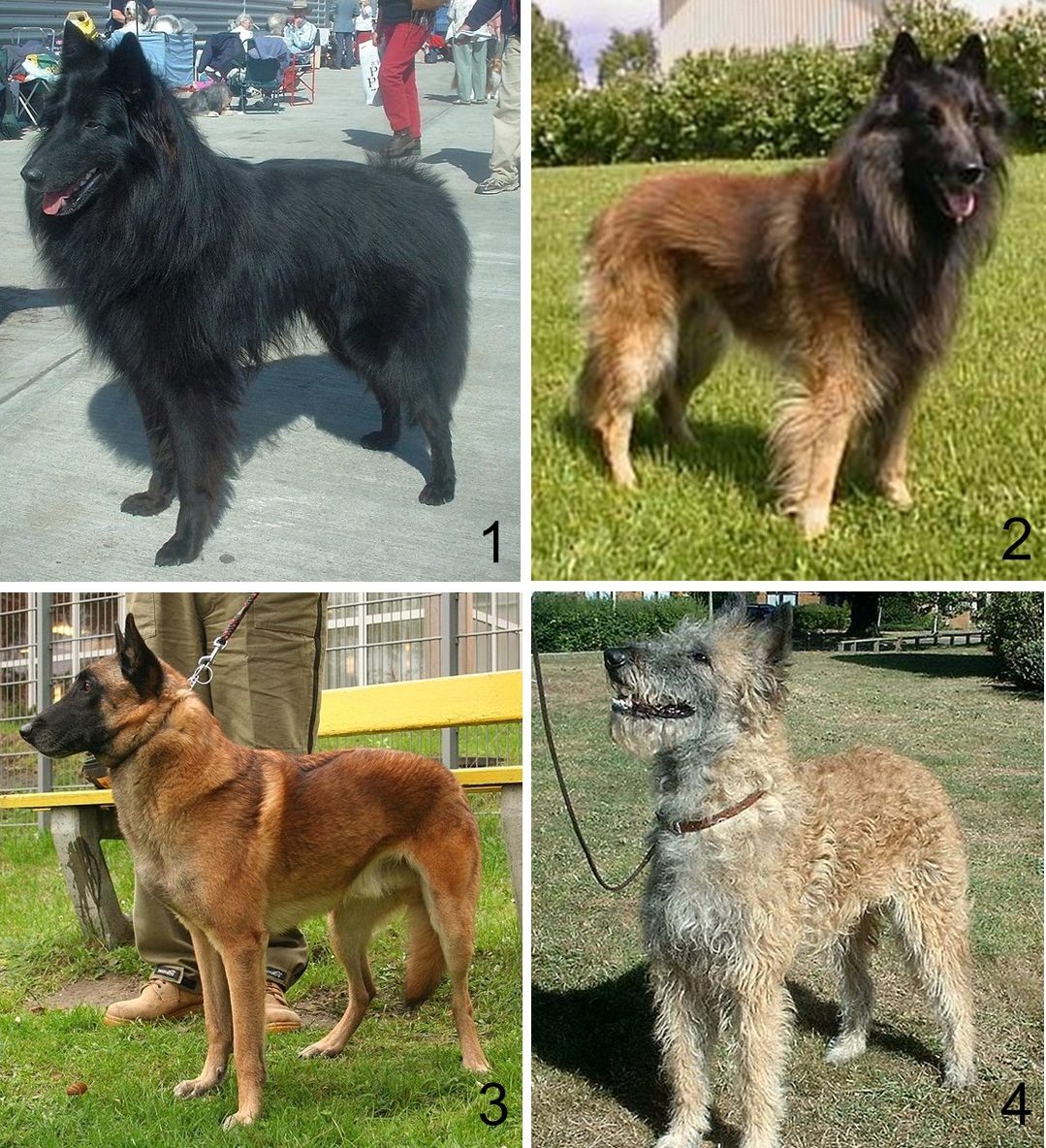
Which Mendelian variants matter most for Belgian Shepherds?
Donner 2023 genotyped 1,231 Belgian Shepherds across the Malinois, Sheepdog and Tervuren varieties and found 12 variants at observable carrier frequency. None is common the way the chondrodystrophy retrogene is in a Dachshund, but three stand out. Spongy Degeneration with Cerebellar Ataxia, first described in this breed, is carried by 4.4% of 1,186 dogs tested. Degenerative Myelopathy is carried by 4.2%. Spinocerebellar Ataxia with Myokymia and/or Seizures (KCNJ10-related) is carried by 2.1%. Bald Thigh Syndrome, a sighthound variant, reads 8.3% from only 24 dogs, too few to call a breed figure. The full table is above.
The breed’s genetic diversity rank is 79 of 107, which places it in the middle range of the genetic bottleneck spectrum. The mean heterozygosity is 0.332. These numbers reflect moderate founder structure relative to the 107 breeds ranked in the atlas (Donner 2023). Interpretation beyond the rank number should come from a veterinary geneticist familiar with the full dataset. The substrate data do not yet identify the breed’s nearest genetic relatives with confidence; a veterinary geneticist can provide population-structure context when reviewing pedigrees.
The practical implication: a breeding pair is worth testing for the three variants above, because each is a recessive carried by a few percent of the breed and two carriers paired together is the only way an affected puppy is born. For a pet dog, the same three tests tell you what to watch, and a veterinary geneticist’s reading of pedigree and phenotype remains the standard tool beyond them.
What should I feed a Belgian Shepherd?
Belgian Shepherds are working dogs with metabolisms tuned for full-day stockwork. A pet Belgian Shepherd eating a maintenance kibble in a suburban yard is being fed for a job they are not doing. Overfeeding is the most common nutritional failure in the breed.
Start with a high-quality large-breed adult formula that meets AAFCO standards and has been validated through feeding trials. Calcium management for giant-breed skeletons is not a primary concern here. The priority is matching calorie intake to actual activity level, not to the food’s marketing.
None of the breed’s Mendelian variants above carries a dietary rule, so you are not navigating breed-specific food restrictions. Focus on matching calories and protein to activity level. This is a luxury. Feed for the individual dog’s energy expenditure, body condition, and age.
Protein adequacy is routine. The NRC 2006 minimum for adult dog maintenance is 10 g crude protein per 100 g dry matter (NRC, “Nutrient Requirements of Dogs and Cats,” 2006, p. 359). Working Belgian Shepherds doing sustained exercise will need more. Working Belgian Shepherds may benefit from higher-protein formulations (18-25% crude protein) on days with sustained exercise. The key is titration to the dog’s actual work, not a fixed formula.
Age-stage feeding matters for growth and senior transitions. Puppies benefit from a large-breed puppy formula with controlled calcium and a calcium-to-phosphorus ratio between 1.1:1 and 2:1 to support steady skeletal development. Senior dogs over age 10 may benefit from joint-supporting formulations with glucosamine and chondroitin, though the evidence for long-term prevention remains limited. Monitor body weight monthly; Belgian Shepherds that maintain lean muscle into old age show better function and longer lifespan.
Raw and home-cooked diets are legitimate options if formulated by a board-certified veterinary nutritionist. Do not guess proportions; work with a specialist. The Sniff position is that a well-formulated home-cooked diet from a certified nutritionist is superior to a guessed one, but a complete commercial diet with feeding-trial validation beats a guessed home-cooked one.
What we don’t know
The Belgian Shepherd’s lifespan median in the atlas is 12.9 years, which is solid for a large working breed. The honest gap is that we have not yet identified the breed-specific health problems that limit lifespan. Larger cohorts under longitudinal follow-up would reveal whether hip dysplasia, elbow dysplasia, neurological conditions, or other systemic issues cluster in Belgian Shepherds the way cancer does in Goldens or mitral valve disease does in Cavaliers. The current dataset does not support breed-specific prevalence claims about these conditions.
Belgian Shepherds’ genetic diversity rank places them in the middle band of founder-bottleneck risk. We do not yet know whether this translates into a specific late-onset genetic condition that will emerge as the breed ages in the dataset, or whether the middle rank insulates them from the severe genetic loading seen in more bottlenecked breeds.
What we do not know is whether any recessive combination of alleles contributes to undiagnosed subclinical phenotypes in the population.
Frequently asked questions about Belgian Shepherds
Are Belgian Shepherds good working dogs? Yes. Belgian Shepherds were bred for herding and police work and retain strong prey drive, athleticism, and trainability. They excel in sport, stockwork, and detection roles. Without consistent mental and physical exercise, they can become destructive.
How long do Belgian Shepherds live? The atlas median lifespan is 12.9 years. Breed-club estimates are typically 12 to 14 years, depending on lineage and health management.
What is the most common health problem in Belgian Shepherds? Current data do not identify a single breed-dominant condition. Hip and elbow dysplasia are screened by the Orthopedic Foundation for Animals in the breed; owners should request OFA scores before breeding.
Should I do a DNA test on my Belgian Shepherd? Breed-specific Mendelian panels are not yet recommended, as no high-frequency disease variants have been identified in Belgian Shepherds (Donner 2023). General ancestry and parentage verification panels are useful for breeding transparency. Pedigree review and phenotypic assessment remain the standard tools.
What is the best diet for a Belgian Shepherd? A high-quality large-breed adult formula validated through feeding trials, with calorie and protein matched to the dog’s actual activity level. Working Belgian Shepherds may benefit from higher protein (18-25%) on exercise days. Monitor body condition monthly and adjust as needed.
Are Belgian Shepherds prone to any genetic diseases? No high-frequency Mendelian variants have been identified in the breed. This does not mean the breed is disease-free, but rather that the published cohort data do not yet show single-locus disease variants suitable for screening.
Do Belgian Shepherds have food allergies or sensitivities? Food allergies in Belgian Shepherds are not documented at a breed-typical rate. Individual dogs may have protein sensitivities or grain intolerances, as with any breed. Work with your veterinarian on elimination diets if your dog shows signs of food reactivity.
What grooming does a Belgian Shepherd need? Belgian Shepherds have double coats that shed year-round and heavily during seasonal blows. Brush 2-3 times per week during shedding; daily brushing during seasonal coat changes reduces loose hair significantly. Nail trimming, ear cleaning, and dental care follow standard large-breed protocols.