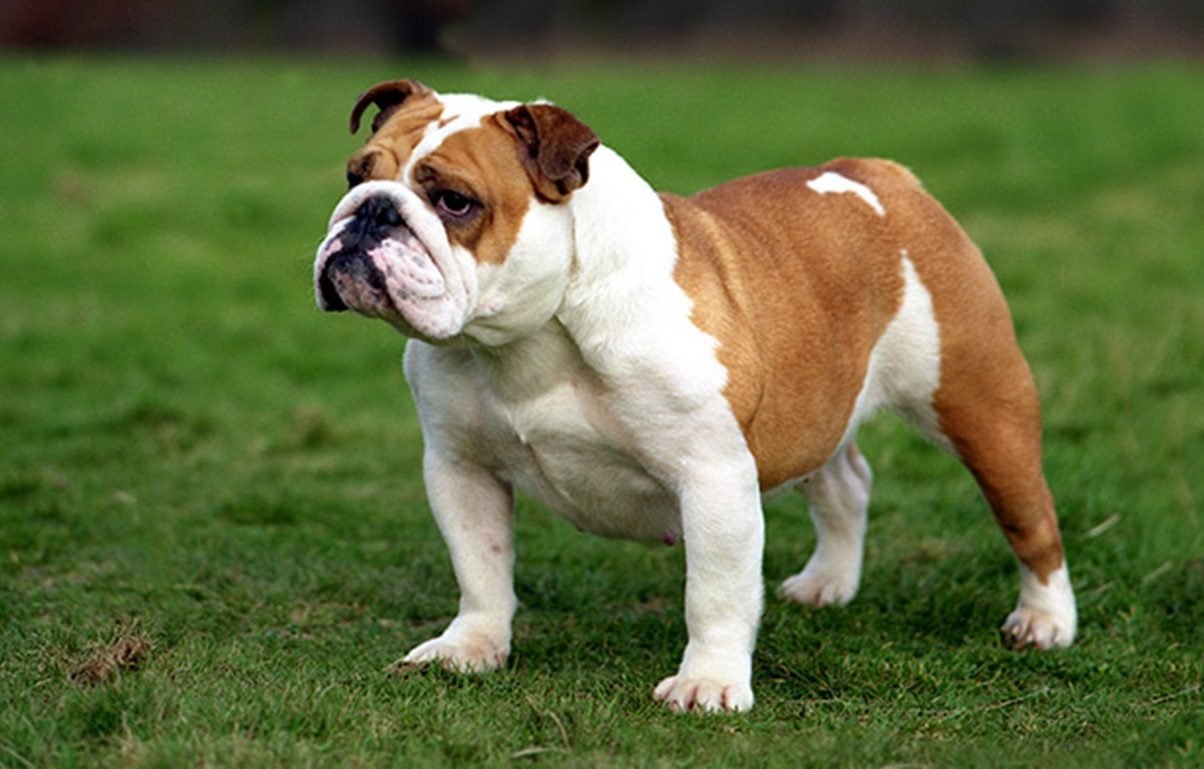
Bulldog Dog Food: What Owners Need to Know
The Bulldog is a breed of unmistakable character, known for a gentle, affectionate nature wrapped in a package of dignified tenacity. Originally bred for a physically demanding role, today’s Bulldog is a beloved companion whose unique physique responds incredibly well to thoughtful nutrition.
Here is the good news that many breed guides overlook: the primary health challenges facing Bulldogs are directly influenced by diet. Their joints, their breathing, and their long-term comfort are all areas where what you put in the bowl has a real, measurable impact. An owner who understands the Bulldog’s specific needs has the tools to give their dog a significant advantage.
This guide gives you those tools. Every recommendation is backed by published data, and every citation is linked so you can verify it yourself.
Last Verified: May 25, 2026 · 8 minute read · Methodology
TL;DR
For a Bulldog, managing weight is the single most powerful factor for ensuring long-term health and comfort.
The breed’s unique structure creates a predisposition to joint disease, which makes maintaining a lean body condition essential. The Orthopedic Foundation for Animals (OFA) reports a 66.7% prevalence of hip dysplasia in the breed, the highest of any dog OFA. The OFA data for elbows shows a 28.5% prevalence of elbow dysplasia OFA. While these numbers are high, they highlight the most important lever an owner has. Excess weight multiplies the force on these joints, but a lean body condition minimizes that stress, helping to manage the progression of arthritis.
For this reason, Sniff’s primary recommendation for Bulldogs is a strictly portion-controlled, calorie-conscious diet. We prioritize formulas that support joint health and a healthy inflammatory response, while taking a cautious stance on ingredients implicated in the FDA’s investigation into diet-associated heart disease. You can read our full list of recommended foods in our guide to the best dog food for Bulldogs.
What makes feeding a Bulldog different
The Bulldog is a low-energy, medium-sized companion breed, a member of the AKC’s Non-Sporting Group. Their history involves a dramatic transformation from a working animal to a family companion. This shift has left them with a unique physiology: a powerful, stocky frame combined with a low activity level and a brachycephalic (short-skulled) anatomy that makes intense exercise challenging.
This combination means they have a natural tendency toward weight gain.
A generic dog food, often formulated for more active dogs, can easily provide too many calories for a typical Bulldog. Their nutritional needs are specific: enough high-quality protein to maintain their significant muscle mass, but with a total calorie count that supports a lean physique. Feeding a Bulldog is different than feeding a high-energy breed like a Labrador Retriever. It requires a focus on providing precise nutrition to prevent the weight gain their frame is not built to carry.
The health profile: where you can make a difference
Orthopedic Health: Your Greatest Opportunity
The Bulldog’s joint health statistics are well-documented. With a 66.7% rate of hip dysplasia based on over 1,200 evaluations, it is a primary health consideration for the breed OFA. This condition involves a loose, malformed hip socket that can lead to inflammation and arthritis. This is compounded by a 28.5% rate of elbow dysplasia, affecting the front limbs OFA.
For owners, this data points to the most impactful intervention available: maintaining a lean body condition. Every pound of excess weight exerts significant additional force on these joints. A diet that is precisely portioned to maintain a body condition score of 4/9 is the goal. Ingredients that support joint health, like omega-3 fatty acids from sources such as fish oil, are a valuable part of a comprehensive nutritional strategy.
Skin Health: Finding the Right Fuel
Bulldogs can be prone to skin issues, which can be triggered by environmental allergens or ingredients in their food. When a food allergy is suspected, the gold standard for diagnosis is a strict elimination diet trial lasting at least 8 to 12 weeks.
This process involves feeding a diet with a single novel protein, one the dog has not eaten before, or a hydrolyzed protein diet, where proteins are broken down into pieces too small to trigger an allergic reaction. If your Bulldog experiences chronic itching, ear infections, or skin fold dermatitis, a conversation with your vet about a diet trial is a productive step toward finding a solution.
Breathing and Body Condition
Bulldogs are a brachycephalic breed, meaning they have a shortened skull. This anatomy can lead to Brachycephalic Obstructive Airway Syndrome (BOAS), a condition characterized by narrow nostrils, an elongated soft palate, and a constricted windpipe. A 2017 study found that 45.2% of Bulldogs examined were clinically affected by BOAS. The study also found a significant correlation between the severity of BOAS and the dog’s neck girth.
This creates a direct link between body weight and breathing capacity. A heavier dog has a thicker neck, which can further compromise an already narrow airway. Keeping a Bulldog lean is not just for their joints; it is a key component of supporting their respiratory function.
Diet-Associated DCM Reports
While not considered a breed with a high genetic risk for Dilated Cardiomyopathy (DCM), the Bulldog was one of the most frequently reported breeds in the FDA’s investigation into a potential link between certain diets and DCM. The agency received 13 case reports for the breed between 2014 and 2022 FDA, 2022.
The investigation focused on diets with high proportions of legumes like peas and lentils. The science is still evolving, and the investigation is closed, but Sniff applies a precautionary principle. We recommend Bulldog owners choose foods with a strong foundation of high-quality, animal-based proteins and avoid formulas that rely heavily on legumes as primary protein sources. For more detail, read our full guide on grain-free dog food and DCM.
Puppy years: building the best possible frame
The nutritional choices you make in your Bulldog puppy’s first 18 months create a foundation for their lifelong skeletal health. The goal is slow, controlled growth to minimize stress on their developing, high-risk joints.
Bulldog puppies should be fed a food that meets AAFCO standards for growth, with specific attention to mineral balance. Look for a food with a calcium content between 1.0% and 1.5% on a dry matter basis, and a calcium-to-phosphorus ratio between 1.1:1 and 1.5:1. An improper mineral balance can interfere with normal bone development.
Free-feeding is not appropriate for a Bulldog. Meals should be measured precisely and fed two to three times per day. Monitor their body condition weekly. You should be able to easily feel their ribs but not see them. A lean, slow-growing Bulldog puppy is building a stronger, more resilient frame for the future.
Adult years: protecting their joints and mobility
For an adult Bulldog, nutrition is all about maintenance and protection. The primary goal is to maintain a lean body condition, a 4/9 on the body condition score chart, to minimize stress on their hips, elbows, and spine.
This requires consistent attention. Bulldogs have a low metabolism and a healthy appetite, a combination that can lead to obesity if not managed. Use the feeding guidelines on the bag as a starting point, but adjust the amount based on your specific dog’s activity level and body condition. If you cannot easily feel your dog’s ribs, you are likely feeding too much.
A higher-protein, moderate-fat, and lower-carbohydrate diet is often a good fit. Protein helps maintain the muscle mass needed to support their heavy frame, while controlled fat and carbohydrate levels help manage total calorie intake. Diets rich in omega-3 fatty acids from sources like fish oil provide excellent support for their joints.
Senior years: supporting strength and comfort
As Bulldogs enter their senior years, typically around age 7 or 8, their nutritional needs shift. The old idea that senior dogs need low-protein diets is a myth. In fact, the opposite is true.
Older dogs are susceptible to sarcopenia, the age-related loss of muscle mass. The NRC recommends a minimum of 2.5 g of protein per kg of body weight for healthy seniors to combat this. For a 50 lb Bulldog, that is at least 57 grams of protein per day. Maintaining muscle is critical for seniors, as strong muscles help stabilize arthritic joints and maintain mobility.
Choose a senior diet that is rich in high-quality, digestible protein from sources like chicken meal or turkey meal. Calorie needs may decrease slightly as their metabolism slows, so continue to monitor their weight closely and adjust portions as needed to keep them lean.
What Sniff recommends and why
Given the Bulldog’s orthopedic profile and tendency toward obesity, we have a clear set of recommendations.
First, we recommend a calorie-controlled diet that gives you the tools to easily maintain a lean body condition. This is the single most important factor. We prioritize foods with a moderate fat content and clear feeding guidelines.
Second, we recommend foods that include sources of omega-3 fatty acids, like fish oil, to help manage the inflammation associated with joint stress.
Third, due to the FDA’s findings on diet-associated DCM, we take a precautionary position. We recommend foods that use a strong base of named animal proteins and avoid those that rely heavily on legumes like peas or lentils to meet their protein targets.
Fourth, for Bulldogs with skin issues, a limited ingredient diet featuring a novel protein or a prescription hydrolyzed protein diet is the most effective path forward.
You can see our specific, up-to-date food recommendations on our list of the best dog foods for Bulldogs.
What we don’t know
While the Bulldog’s orthopedic and respiratory challenges are well-documented, there are still gaps in our knowledge. We lack specific, breed-tailored micronutrient requirements beyond the general AAFCO minimums. The exact genetic and dietary factors that trigger skin allergies in some Bulldogs but not others are not fully understood.
Most significantly, the precise mechanism behind the 13 reported cases of diet-associated DCM in the breed remains unknown. A correlation with certain ingredients exists, but causation is not yet proven, which is why our recommendations are based on a precautionary principle rather than a settled scientific conclusion.
Frequently asked questions
What is the best dog food brand for a Bulldog? No single brand is best. Focus on finding a specific formula that is calorie-controlled, high in quality protein, and fits your dog’s individual needs, especially regarding allergies. See our ranked list at best dog food for Bulldogs.
Is grain-free dog food safe for Bulldogs? It’s an area for caution. Given that the Bulldog was a frequently reported breed in the FDA’s DCM investigation, we recommend choosing foods that do not rely heavily on legumes. Read our full guide on grain-free food and DCM for more context.
When should I switch my Bulldog to a senior food? Around age 7 or 8. The key is to switch to a food with higher protein to combat muscle loss, not a low-calorie “diet” food. Our methodology explains why protein is so important for senior dogs.
Is a raw diet good for a Bulldog? We don’t recommend it. Raw diets carry a risk of bacterial contamination for both you and your dog, and there is no scientific evidence they provide benefits over high-quality kibble or cooked food. They are one of several controversial ingredients we advise against.
What ingredients should I avoid for my Bulldog? This is highly individual. If your dog has skin allergies, common proteins like chicken can be a trigger, requiring an elimination diet. For all Bulldogs, avoid foods with vague, un-named ingredients or artificial preservatives like BHA.
How often should I feed my Bulldog? Twice a day is ideal. This helps manage hunger, prevents them from eating too quickly, and allows you to monitor their appetite. Always measure the food using the instructions on the label as a starting point, as explained in our guide to reading a dog food label.
Does my Bulldog need joint supplements? They can be a useful part of a larger plan. Ingredients like glucosamine, chondroitin, and especially omega-3s from fish oil support joint health. However, a high-quality diet and maintaining a lean weight are far more important than any supplement.
Related reading
- The Best Dog Food for Bulldogs
- Grain-Free Dog Food and its Link to DCM
- How to Read a Dog Food Label
- Sniff’s Dog Food Methodology
- Breed Hub: French Bulldog
The bigger picture
The Bulldog is a masterpiece of companionship. Their comical expressions, gentle loyalty, and steadfast love for their families make them one of the most rewarding breeds to live with.
Feeding a Bulldog well is one of the most direct ways to honor the joy they bring into your life. The research is clear on what helps: slow growth as a puppy, a lean body condition in adulthood, and strong protein in their senior years. You don’t need a veterinary degree to get this right. You just need the information, and now you have it.
Every carefully measured meal is compounding. It’s building a strong foundation for their joints. It’s supporting their ability to breathe easily. It’s a quiet, daily investment in the dog who gives you so much.
You know what your Bulldog needs. Trust that.
Last Verified: May 25, 2026. This page is informational and does not constitute veterinary advice. If your Bulldog has a health condition, consult a veterinarian, ideally one who is board-certified in internal medicine (DACVIM) or nutrition (DACVIM-Nutrition). Read our full methodology and our the Pledge.