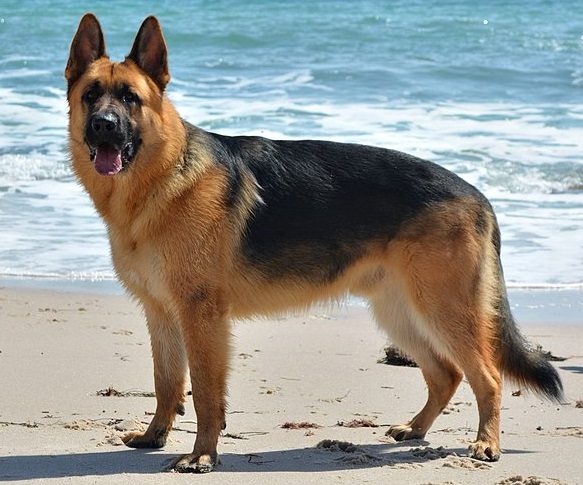
German Shepherd Dog Food: What Owners Need to Know
The German Shepherd is an icon of intelligence, courage, and athletic ability. Bred for demanding work, their physical prowess is central to their identity. That heritage gave them a powerful body and a sharp mind, but it also comes with specific health considerations that owners should be aware of.
Here is the good news that most breed guides skip: the primary health challenges facing German Shepherds are among the most nutritionally responsive in the canine world. Their joint health, digestive stability, and long-term mobility are all areas where what you put in the bowl has a direct and measurable impact.
Feeding a German Shepherd is an opportunity to build a resilient athlete from the inside out. This guide gives you the tools to understand their specific needs, manage their health risks, and give this noble companion the best possible foundation for a long, active, and comfortable life.
Last Verified: May 25, 2026 · 11 minute read · Methodology
TL;DR
For German Shepherd owners, managing orthopedic health through diet is the single most powerful lever for ensuring long-term well-being.
The breed’s health data shows a clear challenge. The Orthopedic Foundation for Animals (OFA) reports that 19.8% of German Shepherds have hip dysplasia and 18.8% have elbow dysplasia OFA, OFA. Those numbers are high, but these developmental conditions are also where nutrition offers a real advantage. You can’t change your dog’s genetics, but you can absolutely influence their growth rate as a puppy and their body weight as an adult.
Sniff recommends a proactive approach. This starts with a large-breed puppy food with controlled calcium levels to support slow, steady skeletal growth. As an adult, the focus shifts to maintaining a lean body condition with a high-protein, highly digestible diet that supports muscle mass without stressing the joints. Given the breed’s GI sensitivities and its appearance in the FDA’s DCM database, we also recommend caution with foods high in pulse ingredients.
What makes feeding a German Shepherd different
The German Shepherd is a world-class athlete from the Herding Group, bred for intelligence, endurance, and the ability to work for long hours. They are not simply “large dogs”; they are high-energy, purpose-built working animals. Their diet must fuel this drive while also supporting the specific needs of their unique physiology.
A generic large-breed dog food can fall short. It might provide enough calories, but it may not have the specific nutrient profile to support a GSD’s needs. Their high activity level requires a diet dense in high-quality protein and fat for energy and muscle maintenance. At the same time, their predisposition to joint disease means that every extra pound of body weight adds significant stress to their hips and elbows.
Think of it as fueling a performance athlete. The right nutrition is the high-quality fuel that powers their body while also acting as a crucial form of support for their entire system.
The health profile: what you can actually influence
German Shepherds have a well-documented profile of heritable health risks. While diet is not a cure, it is a powerful tool for managing these conditions and improving your dog’s quality of life.
Joints: where nutrition provides a powerful edge
The most significant health challenge in German Shepherds is their predisposition to joint disease, and this is also where diet has the most direct impact. The data shows that 19.8% of GSDs evaluated by the OFA have hip dysplasia, and 18.8% have elbow dysplasia OFA.
These conditions are developmental, meaning they are influenced by both genetics and environmental factors like diet and growth rate during puppyhood. A UK study found that musculoskeletal disorders are the most common cause of death in the breed (16.3%), with 14.9% of all deaths directly attributed to the dog’s inability to stand O’Neill et al., 2017. This underscores why keeping your dog at a lean body weight is the most effective long-term strategy for reducing joint stress and supporting mobility.
A Known GI Sensitivity
Many GSD owners are familiar with the breed’s sensitive digestive system. This is a known breed trait, and they are predisposed to several gastrointestinal conditions.
First is Exocrine Pancreatic Insufficiency (EPI), a disease where the pancreas doesn’t produce enough digestive enzymes. This leads to poor nutrient absorption and weight loss. German Shepherds have a strong breed-specific risk, accounting for 61% of all EPI cases in one UK study. Dogs with EPI require lifelong management with pancreatic enzyme supplements and a highly digestible diet.
Second is Gastric Dilatation-Volvulus (GDV), or bloat, a life-threatening emergency. A Purdue University study found that GSDs have a 63% increased risk of GDV if a parent or sibling has a history of the condition. Feeding smaller, more frequent meals and avoiding vigorous exercise around mealtimes are effective management strategies.
Finally, many GSDs have skin and coat issues that are often linked to food sensitivities. This highlights the value of feeding a diet with a simple, high-quality ingredient list from the start.
Diet-Associated DCM
In the FDA’s investigation into a potential link between certain diets and dilated cardiomyopathy (DCM), the German Shepherd was one of the most frequently reported breeds. The agency’s December 2022 update noted 13 GSDs among the cases FDA, 2022.
A definitive causal link has not been established, but the signal has led many veterinary nutritionists to adopt a more cautious approach. Sniff shares this view. We recommend avoiding diets where pulse ingredients like peas and lentils are used in high concentrations, especially when they replace traditional, taurine-rich ingredients like chicken meal. For more detail, read our full guide on grain-free dog food and DCM.
Puppy years: building the strongest possible foundation
The nutritional choices you make during your German Shepherd’s first 18-24 months are a window of opportunity. This is the period of rapid growth where the skeleton is forming, and providing the right building blocks has a lifelong benefit for their joint health.
The goal is slow, controlled growth.
Rapid growth puts unnecessary strain on developing joints and can worsen the genetic tendency for hip and elbow dysplasia. Research shows that feeding large-breed puppies for a slower growth rate, reaching about 50% of their projected adult weight by 5 months of age, leads to better orthopedic outcomes.
A key part of managing growth is controlling calcium intake. While essential, too much calcium can accelerate bone growth and interfere with normal cartilage development. The National Research Council recommends an upper limit for dietary calcium of 1.8% on a dry matter basis for large-breed puppies NRC, 2006.
For this reason, Sniff recommends choosing a food specifically labeled for “large breed puppies.” These formulas are engineered with the appropriate calcium and phosphorus levels and a lower calorie density to promote the slow, steady growth that is essential for your Shepherd’s long-term orthopedic health. “All life stages” formulas may contain calcium levels that are too high for a growing GSD puppy.
Adult years: maintaining the athlete
Once your German Shepherd reaches skeletal maturity around age two, the nutritional focus shifts from growth to maintenance. The primary goals are fueling their active lifestyle, maintaining a lean body condition to minimize joint stress, and supporting their sensitive digestive system.
A typically active 77 lb (35 kg) adult German Shepherd requires around 1,744 kcal per day, but this is just a baseline NRC, 2006. Working dogs or those in canine sports will need more, while less active pets will need less. The feeding guidelines on the bag are a starting point; adjust the amount to keep your dog lean. You should be able to easily feel their ribs but not see them.
According to the AKC, ideal weights are 65-90 pounds for males and 50-70 pounds for females AKC. Maintaining a weight at the lower end of this range is one of the best things you can do to protect their hips and elbows.
For their sensitive stomachs, a diet with high-quality, easily digestible protein and fat sources is paramount. Look for named animal proteins like chicken or fish oil high on the ingredient list. Feeding two smaller meals per day instead of one large one can also help reduce the risk of bloat.
Senior years: strength through smart nutrition
As German Shepherds enter their senior years, typically around age 7 or 8, their nutritional needs become even more important. The old idea of switching to a low-protein “senior” diet is outdated and counterproductive for this breed.
They need more high-quality protein, not less.
Older dogs are susceptible to sarcopenia, the age-related loss of muscle mass. The most effective dietary tool to combat sarcopenia is ample high-quality protein. Strong muscles provide essential support for their joints, which is especially important for a breed with orthopedic challenges. Preserving muscle is a direct investment in their quality of life.
A good senior diet for a GSD should have a higher protein-to-calorie ratio than their adult food. It should also contain beneficial additives like omega-3 fatty acids from marine sources to help manage joint inflammation. Calorie intake should be adjusted to prevent weight gain, which puts extra strain on older joints.
What Sniff recommends and why
Based on the evidence of orthopedic risk and GI sensitivity, our recommendations for German Shepherds are specific and built to give owners an advantage.
- For puppies, we recommend a large-breed puppy formula with a dry matter calcium level between 1.2% and 1.5%. This controlled level is the tool for promoting the slow, steady growth needed to support healthy hips and elbows.
- For adults and seniors, we recommend a high-protein (over 30% on a dry matter basis), highly digestible diet. This supports the lean muscle mass needed to stabilize their joints and provides the energy for their active nature. We prioritize foods that use named, high-quality animal proteins.
- We recommend foods that include a marine source of omega-3 fatty acids, such as fish oil or salmon meal. These fatty acids have properties that support joint health.
- Given the breed’s appearance in the FDA’s DCM data and its predisposition to GI issues, we advise caution with formulas that are high in pulse ingredients like peas, lentils, and other legumes.
An evidence-based approach to nutrition is the best way to support the health and longevity of this incredible breed. For our ranked list of foods that meet these criteria, see our guide to the best dog food for German Shepherds.
What we don’t know
Despite being one of the world’s most popular breeds, there are still gaps in our understanding of the German Shepherd’s nutritional needs.
- We know GSDs are highly predisposed to Exocrine Pancreatic Insufficiency (EPI), but we don’t know the exact combination of genetic and dietary factors that trigger the disease.
- While GSDs appear more frequently in diet-associated DCM reports, the reason for this is not yet understood. It is unclear if it’s a reporting bias, a true dietary sensitivity, or an underlying genetic factor.
- The optimal dose and type of omega-3 fatty acids needed to provide a measurable benefit for joint health in German Shepherds has not been established in large-scale clinical trials.
Frequently asked questions
What is the best brand of dog food for a German Shepherd? No single brand is best. Focus on finding a formula that meets the key criteria for the breed: high in digestible protein, controlled calcium for puppies, and supportive of joint health. Our list of the best dog food for German Shepherds evaluates specific products against these standards.
Is a grain-free diet bad for German Shepherds? We recommend caution. The concern with many grain-free diets is their heavy reliance on pulse ingredients like peas and lentils, which have been correlated with diet-associated DCM, a condition reported in GSDs. Read our full guide to DCM to understand the issue.
When should I switch my German Shepherd to a senior food? Around age 7 or 8. However, the label “senior” is less important than the nutritional content. Look for a food with high protein to combat muscle loss and controlled calories to prevent weight gain, as detailed in our methodology.
Is a raw diet good for a German Shepherd? It requires expertise. A raw diet must be carefully balanced to meet all of the dog’s nutritional needs, especially the precise calcium-to-phosphorus ratio for puppies. An imbalanced diet can be risky for a growing large breed. Learning how to read a dog food label will help you compare any diet, including raw, to AAFCO standards.
What ingredients should I avoid for my German Shepherd? Avoid foods with vague ingredient descriptions like “meat meal” and artificial preservatives like BHA. Given their sensitive stomachs and the ongoing DCM investigation, we also recommend caution with foods that have multiple pulse ingredients like peas and lentils high in the ingredient list.
How many times a day should I feed my German Shepherd? At least twice a day. Feeding one large meal increases the risk of GDV (bloat), a life-threatening condition. Splitting their daily food ration into two or more smaller meals is a safer practice.
Do German Shepherds need joint supplements? A high-quality diet is the foundation. Many top-tier foods already include glucosamine and chondroitin. Adding omega-3s from a source like fish oil is one of the few supplements with evidence to support its use for joint comfort. Always consult your vet before adding supplements.
Related reading
- The Best Dog Food for German Shepherds
- Sniff’s Dog Food Methodology
- Grain-Free Dog Food and DCM: What Owners Need to Know
- How to Read a Dog Food Label
- Australian Shepherd Dog Food Guide
The bigger picture
The German Shepherd is more than a dog; it’s an icon of loyalty, intelligence, and courage. From police K-9s and military heroes to devoted family companions, they dedicate themselves completely to their people. This is a partnership, a bond built on mutual trust and respect.
Honoring that bond means giving them the best nutritional support we can. Choosing the right food is an active, daily decision to build them up, support their joints, and soothe their sensitive systems. You don’t need a veterinary degree to get this right. You just need the information, and now you have it.
Every good meal you put in their bowl is a compounding investment in their health. It’s building the strong foundation they need for a long, active, joyful life by your side.
You know what your Shepherd needs. Trust that.
Last Verified: May 25, 2026. This page is informational and does not constitute veterinary advice. If your German Shepherd has a health condition, consult a veterinarian, ideally one who is board-certified in internal medicine (DACVIM) or nutrition (DACVIM-Nutrition). Read our full methodology and our the Pledge.