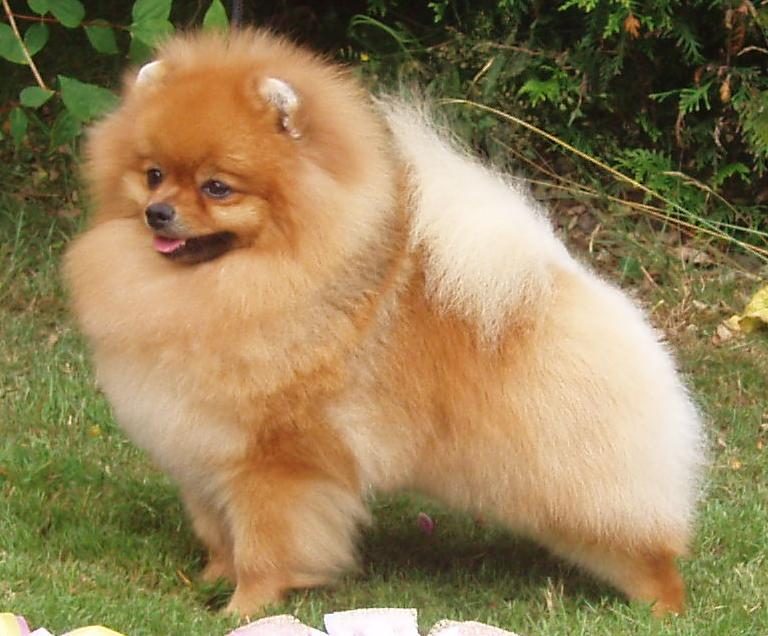
Which Mendelian variants matter most for Pomeranians?
The Mendelian-disease table above lists 27 variants at observable carrier frequency, drawn from 194 variants screened in 5,294 Pomeranians (Donner 2023). All are rare in this breed. The rarest genetic vulnerabilities still warrant screening because Pomeranians are a bottleneck population, 26 dogs in the atlas, ranked 98th of 107 breeds for genetic diversity, and carrier frequency can shift quickly in small cohorts.
Von Willebrand’s Disease, Type 1 (vWD 1)
Von Willebrand’s Disease, Type 1 in Pomeranians is an autosomal-recessive bleeding disorder caused by deficiency of von Willebrand factor. Affected dogs have prolonged bleeding after injury or surgery. The carrier frequency is 8.5% (n=5,294), but penetrance is low: only 6 of 33 at-risk dogs in the Donner study showed confirmed phenotype, suggesting a maximum observed rate of 18% in that sample. Most carriers and even many homozygotes remain asymptomatic.
Testing is available. Affected dogs require careful perioperative management but can live normal lifespans with routine precautions.
What should I feed a Pomeranian?
Pomeranians weigh 3 to 7 pounds, and toy-breed hypoglycemia risk from missed meals is well recognized in small-animal veterinary practice (Chandler et al., Small Animal Clinical Nutrition, 5th ed.). Meal frequency and portion precision matter more in this breed than in most.
Hypoglycemia risk shapes meal timing. Pomeranians have high metabolic rates and low glycogen stores. Three or four small meals per day is the standard recommendation for puppies and many adults, dropping to two meals only once the dog consistently weighs more than 5 pounds and has demonstrated stable fasting tolerance. Do not skip meals or delay feeding. The NRC 2006 nutrient requirements for small-breed dogs call for metabolizable energy of 40 to 60 kilocalories per pound of body weight per day, depending on age and activity level. A 5-pound Pomeranian at baseline activity needs roughly 200 to 300 calories per day, divided across multiple meals.
Grain-free diets and this breed. The FDA flagged grain-free formulations in 2018 and 2022 in relation to dilated cardiomyopathy, particularly in breeds fed high-pulse, low-grain diets (FDA DCM Advisory 2018, updated 2022). Although the signal was strongest in large breeds, the mechanistic concern (taurine bioavailability, metabolic stress) applies across all sizes. A grain-inclusive kibble or canned diet from a manufacturer with aafco feeding trials is the safest default.
Coat and skin. The breed’s dense double coat is its signature. A diet adequate in protein (18% minimum for adults), omega-3 and omega-6 fatty acids, and B vitamins supports coat quality. The Mendelian list does include Bald Thigh Syndrome (IGFBP5, 2.1% carrier frequency) and Ehlers-Danlos Syndrome (TNXB, 4.5% carrier frequency), both of which affect skin and connective tissue, so a veterinarian should evaluate persistent coat thinning.
What we don’t know
Degenerative myelopathy in Pomeranians is rare enough that the natural history is not well defined. Most published DM data comes from German Shepherds and related breeds. We do not know whether Pomeranian carriers follow the same age-of-onset patterns or whether penetrance differs in this breed compared to others.
The Pomeranian atlas cohort is small (26 dogs), which means carrier frequencies can be sensitive to sampling. The 9.0% DM carrier frequency and 8.5% vWD 1 frequency are real in the Donner sample, but they may not be stable across the entire breed population. Larger sampling will refine these estimates.
Frequently asked questions about Pomeranians
Are Pomeranians good with kids? Pomeranians are small and have a tendency to snap if handled roughly or startled. They are best suited to families with children older than eight who understand small-dog handling. Supervision is always necessary.
How long do Pomeranians live? Cited life expectancy is 12.2 years (McMillan 2024 / VetCompass, n=2,941, 95% CI 12 to 12.5). With careful management of any cardiac carrier status and routine veterinary screening, many live into their mid-teens.
What is the most common genetic disease in Pomeranians? Degenerative myelopathy is the most common Mendelian condition tracked in this breed, with 9.0% carrier frequency (Donner 2023, n=5,294). Most carriers remain asymptomatic due to incomplete penetrance.
What should I feed my Pomeranian puppy? A small-breed puppy formula with AAFCO certification and a history of feeding trials. Feed three to four times per day to avoid hypoglycemia. Once the puppy consistently weighs above 5 pounds and maintains stable blood sugar between meals, transition to twice-daily feeding.
Why is my Pomeranian’s coat getting thin? A dense coat is the breed norm, so thinning deserves a look for nutritional, hormonal or stress-related causes. Ensure adequate protein (18% minimum), omega fatty acids, and frequent small meals. Rule out flea allergy, thyroid dysfunction, and stress-related alopecia with a veterinarian.
What is the best diet for a Pomeranian? A grain-inclusive kibble or canned formula from a manufacturer with AAFCO feeding trials, fed in three to four small meals per day until the puppy stabilizes weight and fasting tolerance. Adult Pomeranians typically transition to two meals daily. Avoid grain-free and pulse-heavy diets unless directed by a veterinary nutritionist.